
 French manufacture 💧 Ethical & Authentic Care ✨ Natural care for all skins 💚 Wellness boxes made on the farm with love 🎁 Gift boxes 🌿 Natural routins
When you have a atopic skinYou can feel like your skin decides everything for you. One day she's fine. The next day, it pulls, heats, scratches, blushes or becomes uncomfortable for no obvious reason.
And often, you look for a atopic skin remedy Because you want one thing above all: to find a skin that is calmer, more comfortable, easier to live.
But before you want to correct everything, you have to understand what's going on. Atopic skin is not a "capricious" skin. It is a skin with a more fragile skin barrier. It holds water less well, defends itself less well against external aggressions and reacts faster to cold, wind, stress, friction, perfumes or too aggressive washing products.
Atopic erythrombosis, also called atopic dermatitis, is a chronic inflammatory skin disease that often evolves by push, with sometimes important itching. It affects children a lot, but it can also persist or appear in adulthood.
In this article, I explain how to recognize atopic skin, why the face can be particularly sensitive, what gestures can really help everyday, and why you have to be wary of miracle solutions.
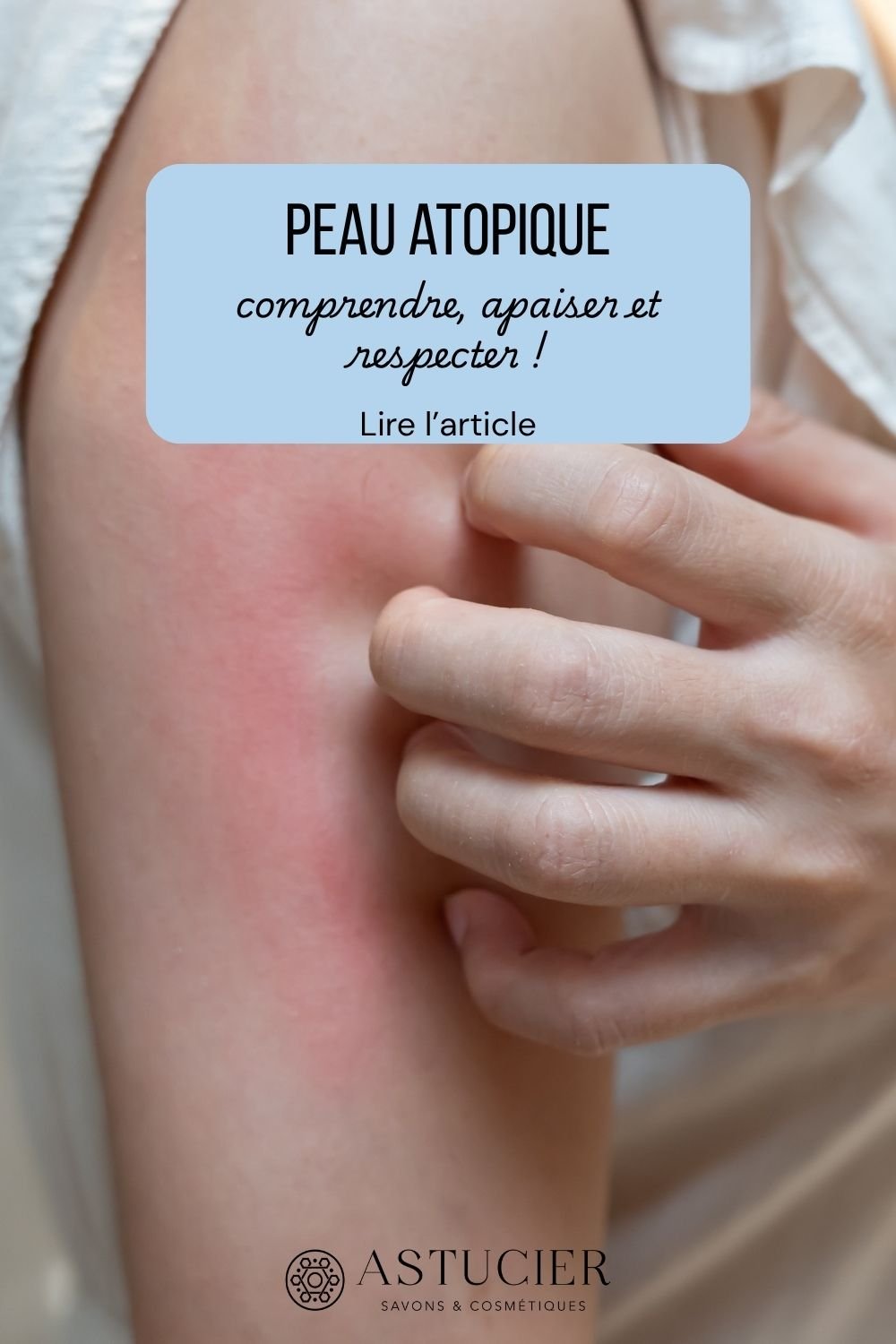
Atopic skin: What are we really talking about?
One atopic skin is a skin with a tendency to inflammation, dryness and itching. It can pull, blush, heat or scratch. During pushes, red plates, seepage, scratch marks or thickening of the skin can be observed if scratching becomes common.
But between two pushes, the skin does not always become "normal". She can stay dry, Tension, rough or uncomfortable. It is often this phase that is misunderstood.
You can say:
"I don't have a visible plaque, so my skin is fine."
While in reality, your skin may already lack comfort. It may need softness, protection and regularity.
Atopic skin works a little like a house whose door closes badly. When the skin barrier weakens, the water evaporates more easily and the irritants enter more easily. The result: the skin defends itself, flames, scratches, heats or blushes.
It is not a question of "salty" skin, "unmaintained" skin or "fragile" skin in the head. It is a real skin trend, with an inflammatory and often family dimension.
Atopic skin: signs that must be alerted
You can have a atopic skin if you recognize several of these sensations:
Your skin shoots after the shower.
It looks clean, but not comfortable.
Your skin scratches for no obvious reason.
In the evening, after the shower or when you're hot, itching can get stronger.
Your skin is blushing fast.
A change in temperature, a sweater that rubs, a scented treatment, and your skin reacts.
Your skin's getting rough.
She loses her soft touch. She hangs a little under her fingers.
Your skin's hot.
You feel light fire, especially on the face or in the folds.
Your skin can't handle certain products.
Scented shower gel, foaming bath, scrub, very active cream, perfumed laundry: anything can become suspicious.
These signs are not sufficient to make a diagnosis. But they indicate that your skin requires more softness.
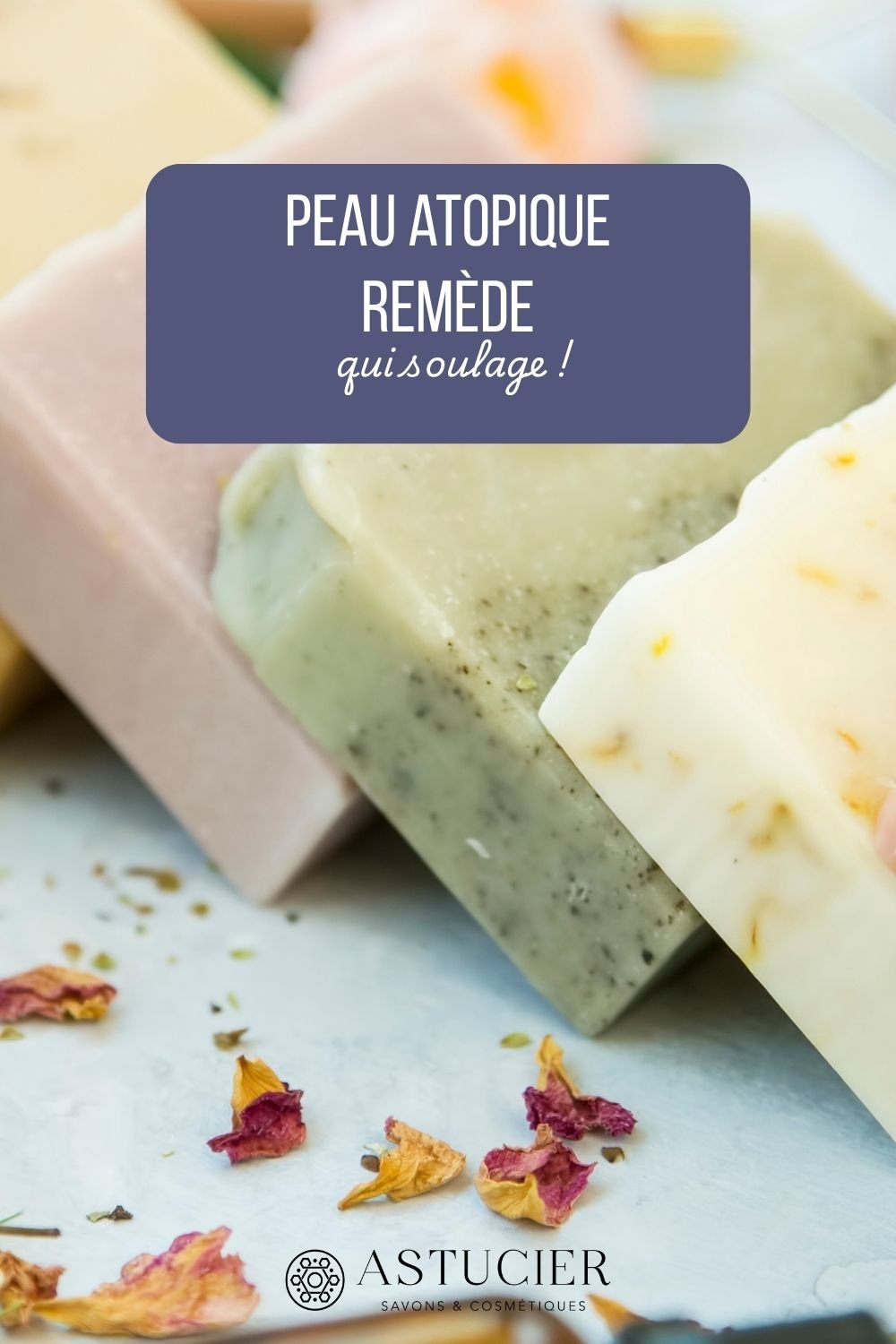
Atopic skin remedy: why beware of miracle solutions
The word atopic skin remedy is very wanted. I understand why. When your skin scratches or shoots, you want a quick solution.
But I prefer to be honest: there is no magic remedy that permanently removes atopic skin.
Atopic dermatitis often evolves at times. There are moments of push and moments of accalmia. So the goal is not to promise a cure with soap, oil or cream. The aim is to better protect the skin, of reduce aggression, of support the skin barrier and limit the factors that trigger discomfort.
Emollients are part of the recommended basic care to help restore skin barrier function and reduce dryness. The Sickness Insurance advises regular application throughout the body, especially after a quick shower and a buffer drying.
So the real "remedy," if you want to use this word with caution, it's not a miracle ingredient. It's a combination of simple gestures:
clean less aggressively,
hydrate or feed regularly,
avoid irritating fragrances,
limit water too hot,
reduce friction,
identify what triggers the thrusts,
consult when symptoms exceed mere discomfort.
It's less spectacular than a miracle promise. But it's much more reliable.
Skin atopic face: why this zone reacts faster?
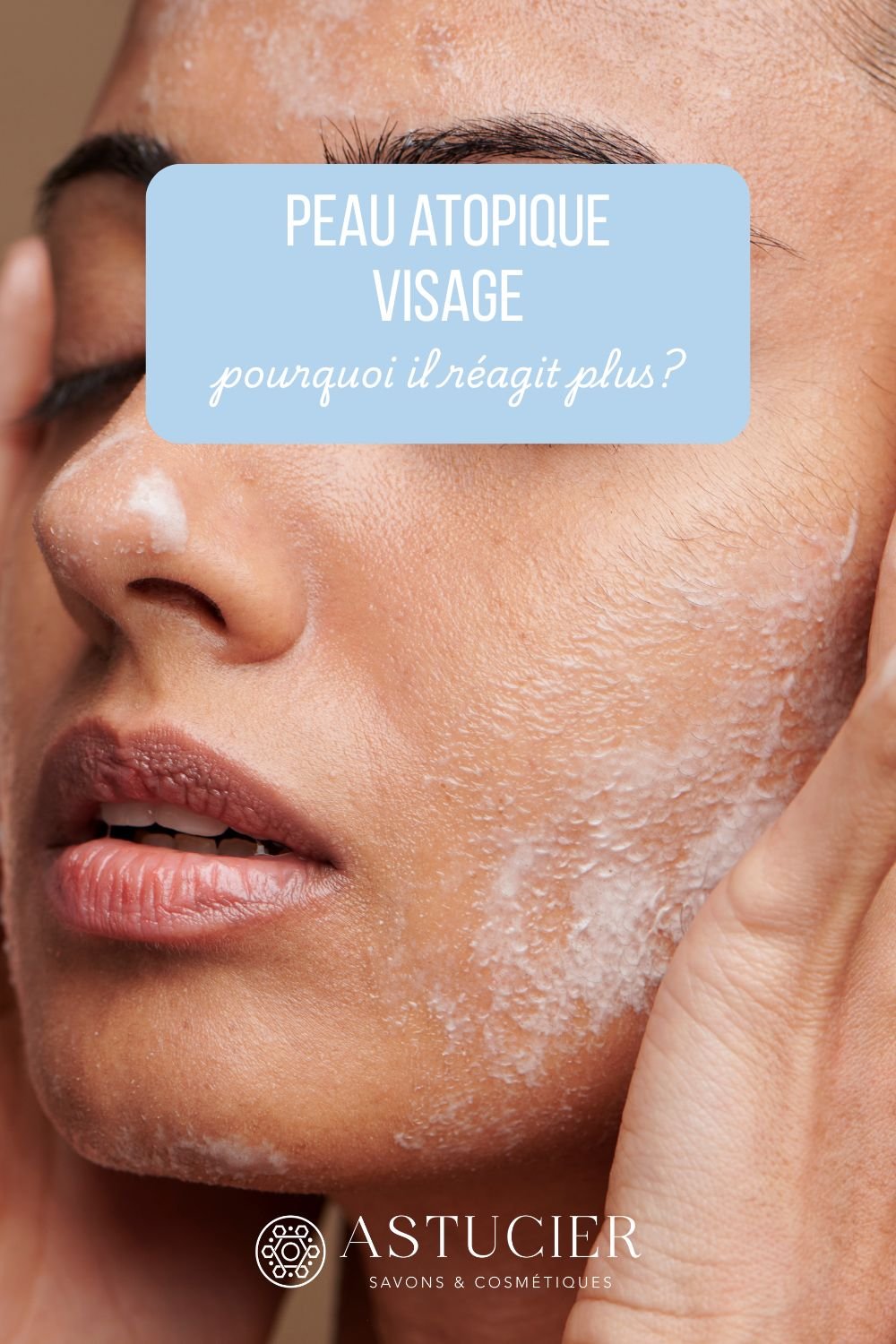
Research atopic skin face is very common, and it makes sense. The face is a permanently exposed area. It undergoes cold, wind, sun, pollution, temperature changes, makeup, makeup removal and sometimes too many treatments.
When you have a atopic skin of the faceYou can feel:
pulls after cleaning,
redness on the cheeks or around the mouth,
dry eyelids,
a warm skin,
scratching areas,
a delicate and vulnerable skin sensation.
The face therefore requires even more caution than the body. That's where I advise you to avoid permanent testing. Atopic skin of the face does not need ten new features. She needs a short, smooth and consistent routine.
And above all, if you have large plaques, lesions, sooting, very irritated eyelids or strong itching, you need medical advice. Cosmetic treatments can accompany comfort, but they do not replace a prescribed treatment.
Atopic skin and shower: the moment that can change everything
The shower can be a moment of well-being. But for a atopic skinIt can also become a moment of aggression.
The problem is not just water. It often comes from accumulation:
too hot water,
shower too long,
too stripping,
towel rubbed too hard,
lack of care after the shower.
When you get out of the shower with the skin pulling, it's not "normal." Nor is it fatal.
To respect an atopic skin, you can already act on three simple things.
First, lowers water temperature. Very hot water gives a pleasant sensation at the moment, but it can accentuate the drought.
Then, Shortened the shower. A short shower limits prolonged contact with water and washing products.
Finally, buffer your skin instead of rubbing. This little gesture changes a lot. A towel that rubs can wake redness and itching.
These are simple gestures. But atopic skin rarely likes sudden gestures.
Which product do you choose when you have atopic skin?
The choice of the washing product is essential. Atopic skin does not need to be stripped. She needs to be cleaned without being assaulted.
Ideal is to choose a product:
Sweet,
without aggressive fragrance,
without mechanical scrub,
no feeling of skin that screams,
suitable for dry or uncomfortable skin.
You should also observe your skin after the shower. She gives the answer.
If your skin pulls hard, heats or scratches after washing, your product may not be suitable. Even if he smells good. Even if it foams a lot. Even if it promises soft skin.
Foam doesn't prove softness. The perfume does not prove the care. And a "crying" skin is not a better washed skin. It is often a skin that has lost part of its protective film.
For atopic skin, the right washing product must be discreet. It cleans, then leaves the skin still.
Atopic skin and cold soap: good or bad idea?
It's a real question, especially when you like simple and artisanal products.
One cold overgras soap can be interesting for some uncomfortable skins, as it naturally contains glycerin from saponification and oils not transformed into soap in the overgras part. It can therefore offer a softer sensation than a very detergent industrial soap.
But I prefer to grade.
On one atopic skin in full bloom, with plaques, strong itching, lesions or seepage, it is better to ask a healthcare professional for advice. At these times, the priority is not to test a new product. The priority is to calm the inflammation with appropriate management.
On atopic skin during accalmia, some people tolerate a mild, overgras, fragranceless soap. Others prefer dermatological bread or cleansing oil. There is not a single answer valid for everyone.
The right question is not:
"Is this product natural?"
The real question is:
"Does my skin feel more comfortable after using it?"
It's the most honest test.
Atopic skin: ingredients and habits to avoid
When your skin is atopic, you can already simplify your daily life by avoiding certain reflexes.
Avoid too perfumed treatments.
The perfume gives a pleasant experience, but it can become an irritating factor for some very reactive skins.
Avoid grain scrubs.
When the skin scratches or shoots, it does not need to be sanded. She needs protection.
Avoid very hot water.
It can increase the drought and revive discomfort.
Avoid multiplying assets.
Exfoliating acids, retinol, essential oils, purifying masks: this is not always the right playground for atopic skin.
Avoid very fragrant laundry.
Clothes, sheets and towels remain in contact with the skin for a long time. Poorly tolerated laundry can cause discomfort.
Avoid scratching material.
Rough wool or some synthetic textiles can worsen itching sensations.
It's not a sad life. It's a simpler life for your skin.
Atopic skin: the simple routine that really helps
Atopic skin does not need a complicated routine. She needs a regular routine.
Here's a simple base.
Morning
Clean only if necessary. On the face, a gentle rinse or a very light cleaning can be enough depending on your skin.
Apply a suitable moisturizing, nourishing or emollient treatment. The goal is to limit water loss and support skin comfort.
Protect your skin from cold, wind or sun depending on the season.
Evening
Clean with gentleness. If you wear makeup or sun protection, remove makeup without rubbing.
Apply your care to slightly moist skin if your skin tolerates it well.
Observe areas that react: cheeks, eyelids, neck, hands, arms folds, legs.
After the shower
Tampone with a soft towel.
Apply care quickly, before the skin starts pulling again.
Don't try to be perfect. Try to be regular.
For atopic skin, regularity is often better than performance.
Your skin.
FAQ atopic skin
What is the difference between atopic and dry skin?
Dry skin lacks fat or water. One atopic skin There is also an inflammatory tendency, with itching, redness and possible pushes. It is often more reactive than just dry skin.
Can we cure atopic skin naturally?
We can't promise natural healing. On the other hand, gentle gestures can help improve comfort: non-aggressive washing, emollient care, warm water, soft textiles, reduction of fragrances and consultation in case of major pushes.
What to do for face atopic skin?
For a atopic skin face, we need to simplify. Gentle cleaning, few products, no scrub, no aggressive fragrance, no permanent testing. If the eyelids, lips or plates are affected, it is better to consult.
What is the best atopic skin remedy?
The best atopic skin remedy is not a miracle ingredient. It's a consistent routine: avoid aggression, support the skin barrier, moisturize regularly and treat with a professional if necessary.
Can soap be suitable for atopic skin?
It depends on the skin, period and soap. In full swing, you better ask for advice. During periods of dryness, some skins tolerate mild and overgras soap, while others prefer a dermatological cleansing product. The feeling after the shower remains essential.