
 French manufacture 💧 Ethical & Authentic Care ✨ Natural care for all skins 💚 Wellness boxes made on the farm with love 🎁 Gift boxes 🌿 Natural routins
When you hear the word soap, you may imagine soap aligned on a shelf, pretty colors, pleasant fragrances and soft foam in the shower.
And you're right.
But a soap factory is not only a place where soap is made. It's a place of choice. Raw materials. Precise gestures. Patience. And sometimes, when soap is tied to a farm, it's even a story that starts long before the workshop.
Before the soap arrives in your bathroom, someone chooses the oils, imagines the recipe, manufactures, cuts, lets dry, controls, packages and ships. Nothing is left to chance.
In this article, I take you backstage with a soap factory to better understand what you really buy when you choose a soap.
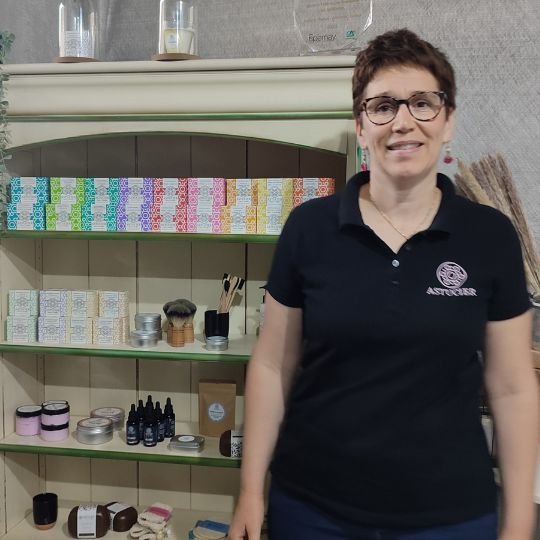
What is a soap factory?
One soap is a workshop where soap is made. But behind this simple definition, there are several realities.
Some soap factories produce large scale. They produce thousands of identical soaps, with very industrialised processes. Others work in small series, with particular attention to raw materials, formulation and skin comfort.
In a soap shop, you don't just mix "to make nice" ingredients. A washing product is created that must be pleasant, efficient and suitable for everyday use.
Soap needs to be cleaned. But he shouldn't leave your skin rough, uncomfortable or completely decapitated after the shower.
This is where the formulation work becomes important.
A soap factory is not just perfume and color
Today, many soaps look alike.
They're beautiful. They smell good. They make you want to be placed on the edge of the sink.
But in a serious soap factory, work begins before the perfume. It begins with the most important question: What will this soap bring to the skin?
Soap can be very nice and not suitable for your skin. Conversely, a simpler soap can become your best ally if its formula respects skin balance.
In a soap factory, vegetable oils, butters, overgras, manufacturing method and drying time play an essential role.
Perfume is part of the fun. Color gives an identity to soap. But the formula remains the heart of the product.
The role of oils in a soap factory
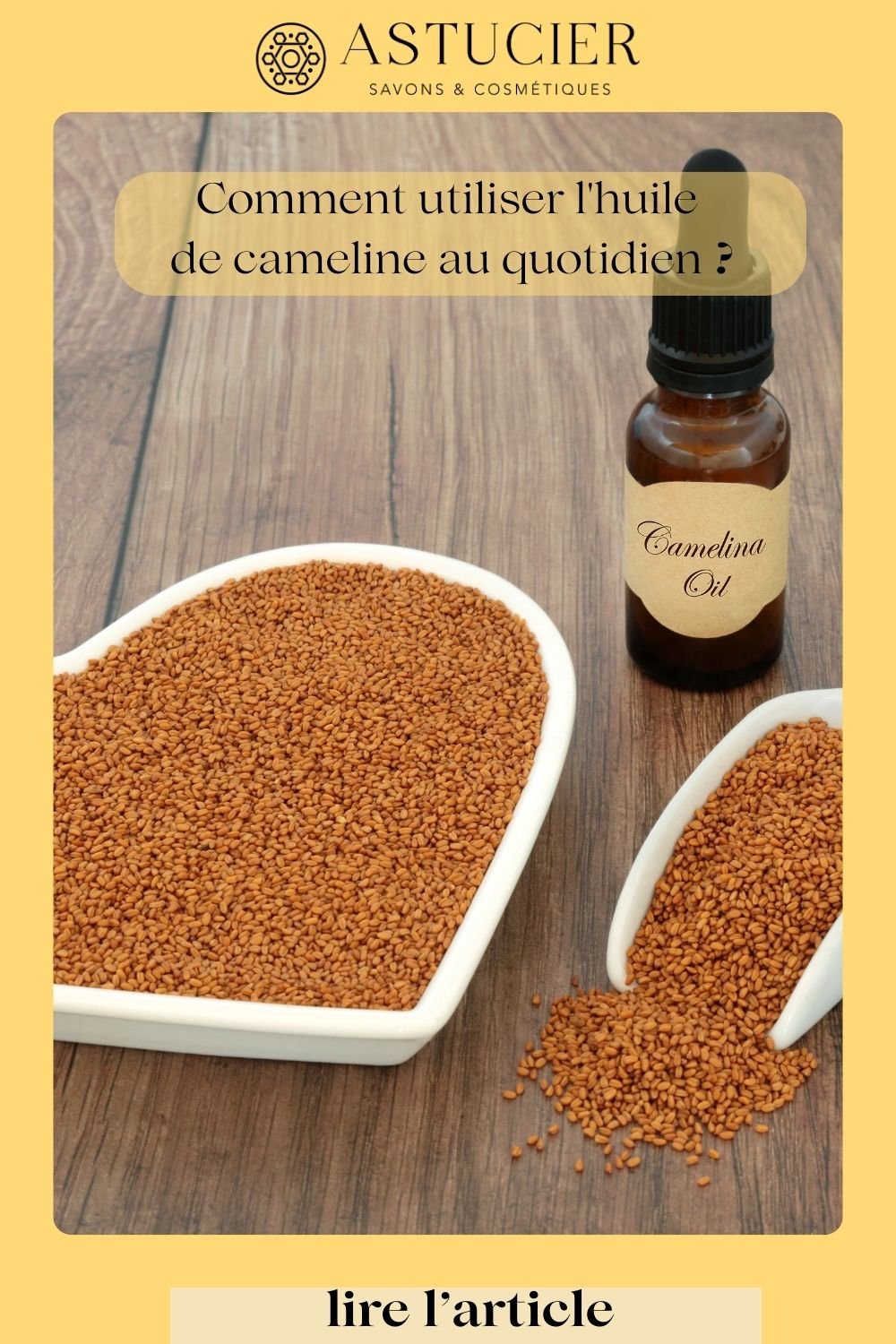
In a soap factory, oils are not only used to feed a recipe. They largely determine texture, foam, softness and sensation on the skin.
Each oil has its qualities.
Some bring a more generous foam. Others give a milder soap. Some contribute to a feeling of comfort after the shower. Others improve the holding of soap over time.
That's why the choice of oils counts as much.
At Astucier, this question becomes even more meaningful, because I am both a farmer and a soapmaker. Some oils I use come from my farm in the Marne. I grow, I transform, then I integrate these oils into my soaps and care.
This logic changes everything.
I don't choose an oil just because it's trendy. I choose it because I know its origin, its quality, its interest in the formula and the bond it creates between the earth and your skin.
That's what I like to call it: from field to skin.
What are we doing in a soap factory?
A soap factory first manufactures soaps. But according to her universe, she can also offer other products related to care, well-being and the bathroom.
We can find:
- face soaps;
- soaps for the body;
- perfumeless soaps;
- cold soaps;
- nourishing care;
- care oils;
- balms;
- accessories to extend the life of soap.
In my case, soap is part of a wider universe: that of a more comfortable skin, without complicated routine.
The goal is not to sell you fifteen products to use morning and evening. Rather, the aim is to help choose the right gestures, the right products, and especially the right materials.
A good soap can already change a lot in your shower.
Why is the manufacturing method so important?
Not all soap shops make their soaps the same way.
The method used influences the texture of the soap, its softness, its drying time and the sensation it leaves on the skin.
The cold saponification is one of the most popular methods in soap factories that want to preserve the quality of oils. This method does not heat the raw materials heavily. It helps to conserve naturally the glycerin formed during the saponification reaction.
And this glycerin counts a lot.
It contributes to the sweetness of soap. It helps to avoid this effect "skin that screams" or "skin that pulls" that is sometimes felt after an overly aggressive washing product.
Cold soap also takes time. After manufacture, it must dry for several weeks. This treatment time allows the soap to harden, become more enjoyable to use and last longer in the shower.
In a soap factory, patience is part of the job.

Uncomfortable soaping and skin: why the choice of soap changes everything
If your skin pulls after the shower, it's not necessarily "normal."
Many people think they have dry skin, while they simply use products that are too aggressive or poorly adapted. Uncomfortable skin can be dry, sensitive, mixed, dehydrated or reactive. It's not always a skin type. It's often a sensation.
You can recognize this discomfort with several signs:
- skin that pulls after the shower;
- redness;
- a warm skin sensation;
- skin to the touch;
- slight itching;
- a feeling of drought, even after taking care.
In this case, the choice of soap really matters.
A soap factory that works with soft formulas, well-chosen oils and respectful manufacturing can help turn this daily moment into a more comfortable gesture.
The goal is not to promise perfect skin in three days. It would be too easy. And not very honest.
The goal is to put common sense in the bathroom: a soft cleaner, a simple formula, understandable materials, and skin that feels better after the shower.
Why choose a soap shop instead of an industrial soap?
You can buy soap everywhere. Large area, pharmacy, perfumery, internet.
But not all the soaps tell the same story.
In a human-sized soap factory, you can often understand who manufactures, how, with what materials and with what intent.
You don't just buy a clean product. You support a way of making.
A committed soap factory can offer you:
- more transparency on ingredients;
- more legible forms;
- manufacturing in small series;
- a true connection with the territory;
- less plastic than a classic shower gel;
- a simpler alternative to ultra-processed products.
And above all, you can make sense in a common gesture: wash yourself.
Because the shower should not only be a quick passage between two obligations. It can become a parenthesis. A simple but pleasant moment. A moment when your skin doesn't come out assaulted.
Behind the scenes of a soap factory on the farm
In my soap shop, not everything starts at the workshop.
Part of the story begins in the fields.
I'm a farmer. I know the land, the seasons, the cultures, the constraints of the profession. I do not see oils as simple ingredients placed on a product sheet. I see them as the result of agricultural work.
When I use rapeseed oil, hemp oil or camline oil, I'm not talking about an abstract ingredient. I'm talking about materials that have a origin, a history, a utility.
Then, in the workshop, I formulate my soaps with the same logic: make simple, do good, and make products that make sense.
I'm not trying to turn my life into an Instagram series. I'm not trying to create a show around every soap.
I'd rather show the real job. Real gestures. The real stuff. The real decisions.
A soap factory, for me, is this: a place where we manufacture with attention, but also with consistency.
How to recognize a trustworthy soap factory?
You can ask yourself a few simple questions before you buy.
Does soap factory clearly explain its ingredients?
A good soap factory does not hide its raw materials behind blurred words. She explains why she uses such oil, butter, perfume or other active ingredients.
You must understand what you're putting on your skin.
Does soap factory talk about manufacturing?
Soap doesn't fall from the sky. There is a method, a drying time, technical choices. A transparent soap factory takes the time to explain its process.
Does soap factory avoid exaggerated promises?
Soap remains a washing product. It can bring comfort, softness, a more pleasant sensation on the skin. But it does not replace medical treatment.
A serious soap factory remains honest in his promises.
Does soap factory have a real identity?
A soap factory should not only follow current trends. She should have a vision.
At Astucier, this vision comes in a few words: the local for comfortable skin.
Materials from the farm when possible. Soaps made with care. And a simple desire: to help restore comfort without complicating your bathroom.
A soap factory makes sense in your bathroom
Choosing a soap shop is not just about choosing a nicer soap.
It's choosing a way to consume. A way to take care of your skin. A way to support a clearer, more local, more incarnate manufacturing.
Your skin doesn't always need an endless routine. It often needs softness, regularity and well formulated products.
A well chosen soap can make the shower more enjoyable. It can leave your skin more comfortable. It can also help get out of a logic where you buy complicated products without really knowing why.
In a soap factory, every soap carries an intention.
And maybe that's the real difference.
Industrial soap washes.
Soap born in a soap factory with a real gait can wash, of course. But it can also tell a story, respect a skin, value raw materials and give a little more meaning to a daily gesture.
So the next time you put a soap in your sink, look at it differently.
Maybe he's from a workshop. A farm. An idea. A choice.
And sometimes it's all this way that makes your shower softer.