 French manufacture 💧 Ethical & Authentic Care ✨ Natural care for all skins 💚 Wellness boxes made on the farm with love 🎁 Gift boxes 🌿 Natural routins
Quand une peau tiraille après la douche, le premier réflexe consiste souvent à chercher une nouvelle crème. Pourtant, au fil des années passées à fabriquer des savons et à échanger avec mes clients sur les marchés, j’ai remarqué une chose : bien souvent, l’inconfort commence dès l’étape du nettoyage.
On passe plusieurs minutes chaque jour sous la douche. On utilise un produit lavant matin et soir sans forcément se poser de questions. Pourtant, c’est lui qui est en contact direct avec la peau au quotidien.
Depuis quelques années, on goat milk soap connaît un véritable engouement. Certains le découvrent sur les réseaux sociaux, d’autres parce qu’un proche leur en a parlé ou parce qu’ils recherchent un produit plus simple à utiliser. Mais derrière cet effet de mode apparent, il y a aussi une vraie recherche de douceur et de confort.
Je comprends cet intérêt. Lorsque l’on ressent régulièrement des tiraillements, des sensations de sécheresse ou simplement l’impression que sa peau n’est jamais vraiment confortable, on finit par regarder de plus près ce que l’on applique dessus.
Mais tous les savons au lait de chèvre ne se ressemblent pas. Entre les produits industriels, les savons artisanaux, les savons à froid ou encore les différentes recettes, il est parfois difficile de savoir lequel choisir.
Dans cet article, je vais t’expliquer ce qu’est réellement un goat milk soap, pourquoi il est autant apprécié et surtout comment reconnaître un produit de qualité qui respecte ta peau.
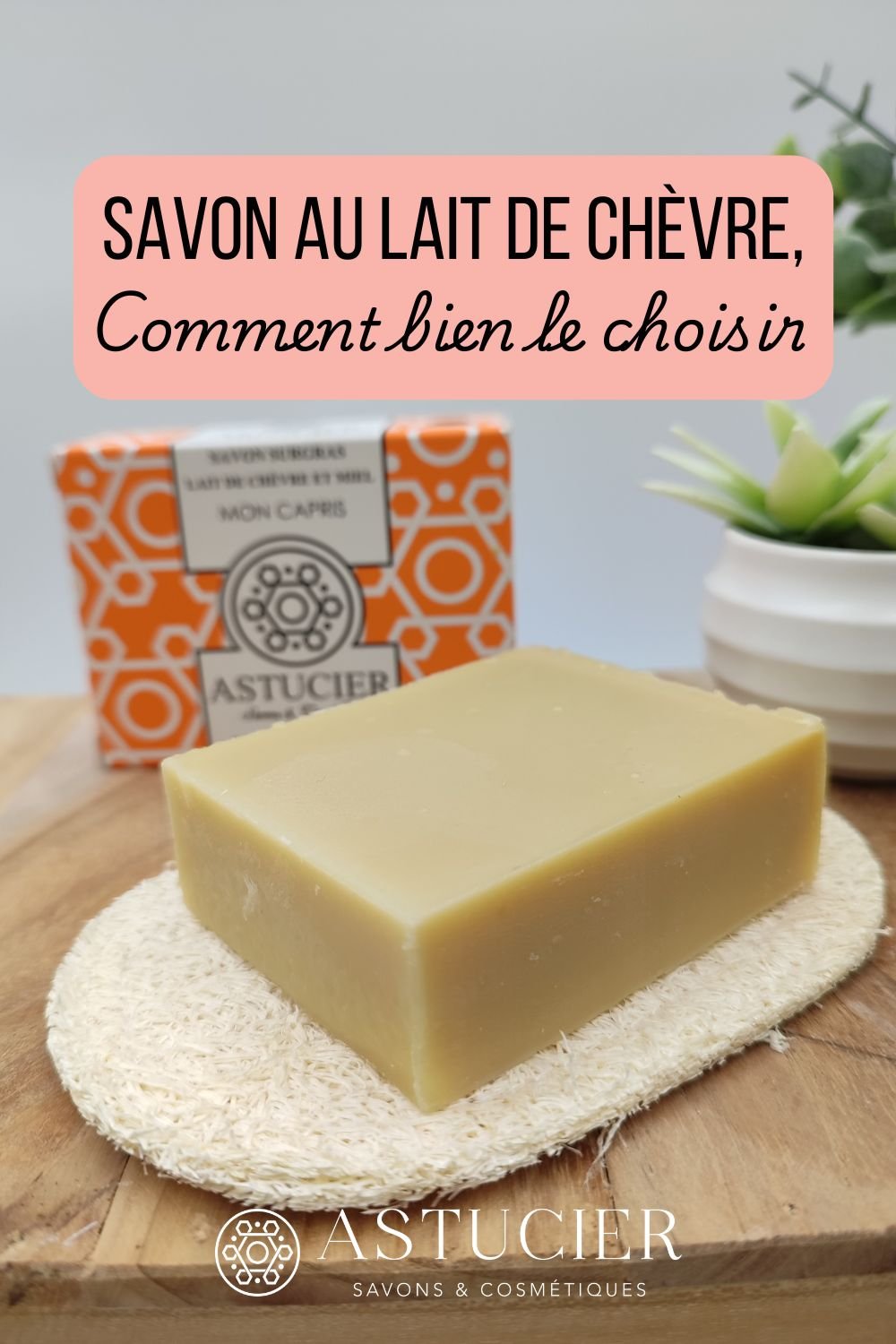
Qu’est-ce qu’un savon au lait de chèvre ?
Comme son nom l’indique, un goat milk soap est un savon fabriqué avec du goat's milk. Dans la recette, une partie ou la totalité de l’eau est remplacée par du lait.
Dit comme cela, cela paraît très simple. Pourtant, cette différence modifie déjà la composition du savon.
Le lait de chèvre contient naturellement des matières grasses, des protéines, des vitamines et différents nutriments. C’est cette richesse naturelle qui explique pourquoi il est utilisé depuis longtemps dans les produits de soin.
Cependant, il est important de comprendre qu’il n’existe pas un seul type de savon au lait de chèvre.
Deux savons peuvent afficher exactement la même promesse sur leur emballage et pourtant offrir une expérience totalement différente.
La raison est simple : le lait de chèvre n’est qu’un ingrédient parmi d’autres.
La qualité des huiles utilisées, le procédé de fabrication, la présence ou non d’un surgraissage, la conservation de la glycérine naturelle ou encore le choix des parfums influencent fortement le résultat final.
C’est un peu comme en cuisine. Deux personnes peuvent préparer une tarte aux pommes avec les mêmes ingrédients de base et pourtant obtenir un résultat totalement différent.
Pourquoi le lait de chèvre est-il utilisé dans les savons ?
Lorsque les clients découvrent mes savons, cette question revient souvent.
Beaucoup imaginent que le goat's milk est utilisé uniquement pour suivre une tendance ou parce qu’il est devenu populaire sur les réseaux sociaux.
En réalité, son utilisation est bien plus ancienne.
Depuis longtemps, le lait est intégré dans certaines préparations cosmétiques pour ses qualités naturellement reconnues. Le lait de chèvre possède une composition particulièrement intéressante. Il contient des protéines, des vitamines, des minéraux et des acides gras qui participent à sa réputation de douceur.
Ce n’est pas un hasard si on le retrouve régulièrement dans les produits destinés aux personnes qui recherchent davantage de confort.
Dans un savon, le lait de chèvre apporte également une dimension sensorielle que beaucoup apprécient. La mousse paraît souvent plus crémeuse et le lavage plus agréable.
Attention toutefois à ne pas attribuer toutes les qualités du savon au seul lait de chèvre.
Je vois parfois des publicités qui donnent l’impression que le lait de chèvre est responsable à lui seul de toutes les performances du produit. Dans les faits, un savon reste avant tout le résultat d’une recette complète.
Les huiles végétales choisies, le mode de fabrication et le savoir-faire du savonnier jouent un rôle tout aussi important.
Pourquoi le savon au lait de chèvre séduit-il autant aujourd’hui ?
Je pense que son succès s’explique en partie par une évolution de nos habitudes de consommation.
Aujourd’hui, beaucoup de personnes cherchent à revenir à des produits plus simples. Elles souhaitent comprendre ce qu’elles utilisent et limiter les produits qui s’accumulent dans leur salle de bain.
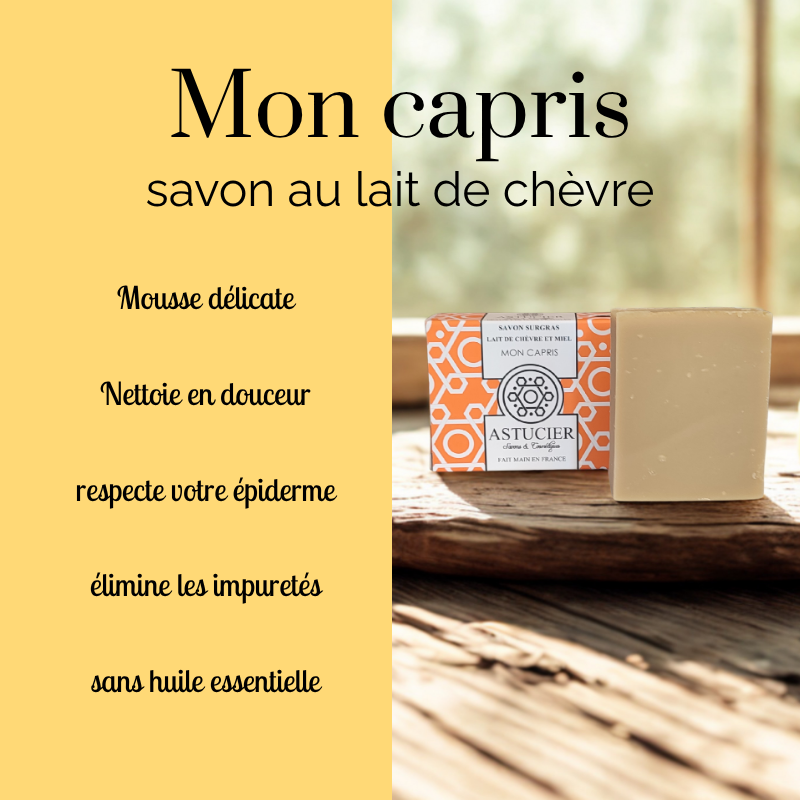
The solid soap répond parfaitement à cette attente.
Il occupe peu de place, génère moins de déchets et donne souvent l’impression de revenir à quelque chose de plus authentique.
The goat milk soap bénéficie également d’une image rassurante. Il évoque la ferme, les matières premières naturelles et le savoir-faire artisanal.
Pour une personne qui se sent perdue face à des rayons remplis de gels douche aux compositions interminables, cette simplicité est souvent appréciée.
Mais je pense qu’il y a une autre raison à son succès.
De nombreuses personnes ne cherchent plus uniquement à avoir une peau belle. Elles veulent avant tout une peau confortable.
La différence peut sembler subtile, mais elle est importante.
On peut avoir une peau sans imperfection et pourtant ressentir des tiraillements après la douche. À l’inverse, une peau confortable procure une sensation de bien-être au quotidien.
C’est précisément cette recherche de confort qui pousse de nombreuses personnes à s’intéresser au goat milk soap.
Quelle différence entre un savon au lait de chèvre et un savon classique ?
La première différence est évidemment la présence du goat's milk.
Mais si je devais te donner un conseil, ce serait de ne jamais t’arrêter à ce seul argument.
Lorsque je compare deux savons, je regarde toujours l’ensemble de la recette.
Un savon industriel peut contenir du lait de chèvre tout en étant formulé de manière très différente d’un savon artisanal.
À l’inverse, un cold soap fabriqué avec des huiles végétales de qualité et du lait de chèvre peut offrir une expérience particulièrement agréable.
La méthode de fabrication joue notamment un rôle essentiel.
Dans le cas d’un savon à froid, la glycérine naturelle produite pendant la fabrication est conservée dans le savon. Cette glycérine participe au confort ressenti après le lavage.
C’est d’ailleurs l’une des raisons pour lesquelles de nombreuses personnes découvrent une différence lorsqu’elles passent d’un produit lavant classique à un savon à froid.
Je le constate régulièrement lorsque des clients reviennent me voir après quelques semaines d’utilisation. Ce n’est pas forcément le lait de chèvre qu’ils évoquent en premier. Ils parlent surtout d’une peau qui paraît plus confortable après la douche.
Et c’est finalement ce que recherche la plupart des gens.
Who is the goat's milk soap?
L’avantage du goat milk soap est qu’il peut convenir à des profils très différents.
Je rencontre aussi bien des personnes qui souhaitent remplacer leur gel douche que des personnes qui recherchent un mild soap pour toute la famille.
Certaines sont attirées par l’aspect artisanal du produit. D’autres apprécient les compositions plus courtes ou souhaitent simplement réduire le nombre de flacons dans leur salle de bain.
Mais s’il y a un point commun entre toutes ces personnes, c’est souvent la recherche de confort.
La plupart ne cherchent pas un produit miracle.
Elles veulent simplement retrouver le plaisir d’une douche agréable sans avoir l’impression de devoir appliquer immédiatement plusieurs couches de soins derrière.
C’est probablement pour cette raison que le goat milk soap continue de séduire autant de consommateurs aujourd’hui.
Tous les savons au lait de chèvre se valent-ils ?
La réponse est clairement non.
Deux produits portant la mention goat milk soap peuvent présenter des qualités très différentes.
Pour cette raison, il est important d’aller au-delà du simple argument marketing.
Plusieurs critères méritent d’être examinés avant de faire son choix.
La méthode de fabrication
La fabrication influence directement les qualités du savon.
Cold saponification est souvent recherchée car elle permet de préserver la glycérine naturelle produite pendant la réaction de saponification.
Cette caractéristique participe largement à la réputation des cold soap auprès des personnes qui recherchent davantage de confort.
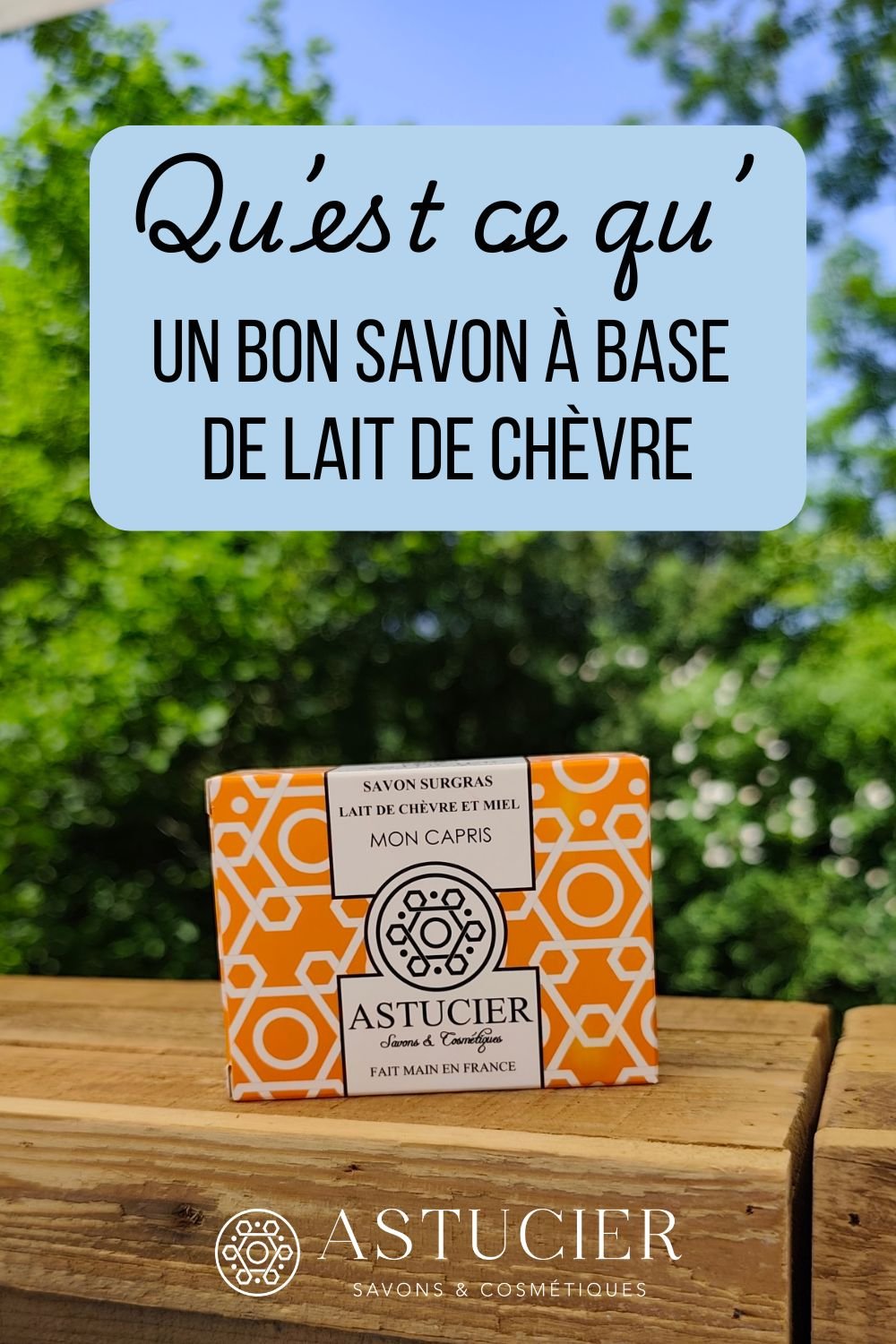
Tous les savons à base de lait de chèvre se valent-ils ?
Si tu commences à t’intéresser au goat milk soap, tu vas rapidement te rendre compte qu’il existe une multitude de produits. Entre les savons vendus en pharmacie, ceux proposés dans les grandes surfaces, les savons artisanaux ou encore les savons fabriqués à froid, il est parfois difficile de s’y retrouver.
Et pourtant, derrière une même appellation, les différences peuvent être importantes.
Je compare souvent cela à l’huile d’olive. Deux bouteilles peuvent porter le même nom, mais la qualité du produit, son origine et sa méthode de fabrication n’ont parfois rien à voir.
Pour le savon, c’est exactement la même chose.
The goat's milk attire naturellement l’attention, mais ce n’est pas lui qui fait à lui seul la qualité d’un savon. Ce qui compte réellement, c’est l’ensemble de la recette et le savoir-faire qui se cache derrière.
C’est d’ailleurs pour cette raison que je conseille toujours de regarder au-delà de la promesse affichée sur l’emballage.
L’importance de la méthode de fabrication
Lorsque l’on parle de savon, la méthode de fabrication influence énormément le résultat final.
La plupart des personnes découvrent le terme cold soap lorsqu’elles commencent à s’intéresser aux savons artisanaux. Pourtant, peu savent réellement ce qu’il signifie.
La saponification à froid est une méthode de fabrication qui consiste à transformer les huiles végétales en savon sans les chauffer à haute température pendant la fabrication.
L’intérêt principal de cette méthode est qu’elle permet de conserver naturellement la glycérine naturelle produite lors de la réaction de saponification.
Pourquoi est-ce important ?
Parce que cette glycérine participe au confort de la peau. C’est l’une des raisons pour lesquelles beaucoup de personnes ressentent une différence lorsqu’elles passent d’un produit lavant classique à un savon à froid.
Bien sûr, cela ne signifie pas que tous les savons fabriqués autrement sont mauvais. En revanche, lorsqu’une personne me dit qu’elle recherche un savon doux pour une peau sensible ou une peau inconfortable, la fabrication à froid est souvent un critère que je considère comme important.
Les huiles végétales font toute la différence
Le lait de chèvre est souvent mis en avant. Pourtant, ce sont souvent les huiles végétales qui déterminent une grande partie des qualités du savon.
C’est un point que l’on oublie facilement.
Imagine un instant un gâteau réalisé avec des ingrédients médiocres. Même avec le meilleur chocolat du monde, le résultat restera décevant.
Pour un savon, c’est la même chose.
La qualité des huiles utilisées influence directement la douceur du savon, sa mousse, sa dureté et le confort qu’il procure après utilisation.
Certaines huiles sont particulièrement appréciées pour leur richesse naturelle.
L’huile de chanvre, par exemple, est souvent recherchée pour les peaux qui manquent de confort. L’huile de cameline est également intéressante pour sa composition naturellement riche en oméga-3.
D’autres huiles apportent davantage de mousse ou participent à la bonne tenue du savon.
Finalement, un bon goat milk soap est toujours le résultat d’un équilibre entre plusieurs ingrédients soigneusement choisis.
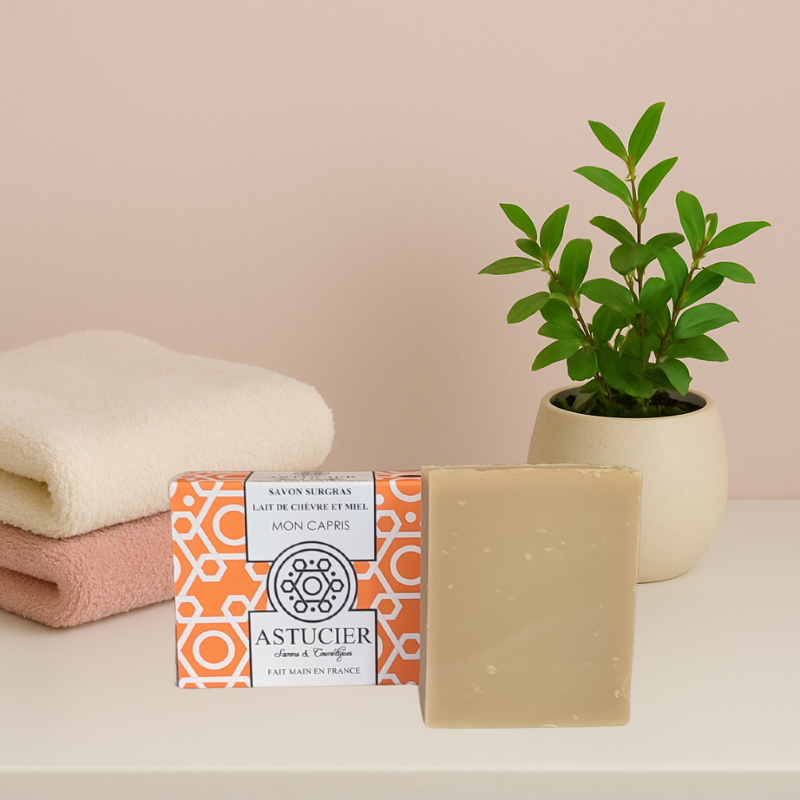
Conclusion : comment choisir un savon au lait de chèvre adapté à sa peau ?
Le succès du savon au lait de chèvre ne doit rien au hasard. Si autant de personnes l’ont adopté ces dernières années, c’est parce qu’il répond à une recherche de simplicité et de confort que beaucoup partagent aujourd’hui.
Mais au fil de cet article, tu l’as compris : tous les savons au lait de chèvre ne se valent pas. La présence de lait de chèvre est un élément intéressant, mais elle ne suffit pas à elle seule à garantir la qualité d’un savon.
La méthode de fabrication, la qualité des huiles végétales utilisées, le surgraissage ou encore le savoir-faire du savonnier jouent un rôle tout aussi important.
Lorsque je choisis ou que je formule un savon, je garde toujours la même idée en tête : une peau confortable commence souvent par un nettoyage respectueux. Inutile de multiplier les produits ou les étapes compliquées si le produit lavant utilisé au quotidien ne convient pas à ta peau.
Si tu recherches un savon doux, agréable à utiliser et fabriqué avec des matières premières de qualité, prends le temps de regarder au-delà des promesses marketing. Intéresse-toi à la composition, à la méthode de fabrication et à l’histoire du produit.
Finalement, choisir un bon goat milk soap, c’est un peu comme choisir ses aliments : plus on sait d’où ils viennent et comment ils sont fabriqués, plus il est facile de consommer en confiance.
Et parfois, retrouver une peau confortable commence simplement par un geste aussi quotidien que celui de se laver.