
 French manufacture 💧 Ethical & Authentic Care ✨ Natural care for all skins 💚 Wellness boxes made on the farm with love 🎁 Gift boxes 🌿 Natural routins
Soapmaking, an ancestral art whose origins date back thousands of years, embodies both a secular tradition and continuous innovation in the field of hygiene and well-being. Let us dive into the meandering of its fascinating history, from its modest beginnings to its central role in our contemporary beauty rituals.
The first steps: antiquity and ancient civilizations
The first traces of soap use date back to antiquity, where civilizations like Sumerians, Babylonians and Egyptians discovered the benefits of cleaning the skin with mixtures of animal fats and ash of plants. These precursors used these rudimentary concoctions to get rid of dirt and impurities, thus anticipating the first fruits of soap.
However, it is in Mesopotamia, around 2800 B.C., that the first written references to soapmaking are found. Cuneiform inscriptions show that Sumerians heat olive oil and vegetable soda to produce a soap-like substance used for body and clothing washing.
The advent of soap factory in Europe
In the following centuries, knowledge of soapmaking has spread around the world. Especially through trade along silk roads and sea routes. In Europe, soap was developed from the ninth century onwards. During this period, the crusades introduced new techniques. But also ingredients, such as olive oil and potash, in the Mediterranean region.
The 12th century marks a major turning point in the history of European soap factory. The first soap guilds were established in Marseille, France. These craftsmen, called the « soap », perfected soap manufacturing techniques. They use caustic soda extracted from the ash of plants. This results in the production of the famous Marseille soap, known for its quality and purity.
Industrial revolution and modernization of soap factory
The industrial revolution of the 19th century has profoundly transformed the soap industry landscape. By introducing large-scale production methods and the use of new raw materials, such as animal fat and vegetable oils. Renowned companies such as Lever Brothers (now Unilever) and Procter & Gamble have emerged. They have popularized the use of soap throughout the world and contributed to its democratization.
In the 20th century, the advent of synthetic detergents revolutionized the soap industry. They offer efficient and economical alternatives to traditional soaps. However, despite these technological advances, the timeless charm of artisanal soaps persists. He even has a renewed interest in natural and organic products.
The Creation of the Astucier soap factory: combining tradition and innovation
Founded by me, sandrine, in the charming region of Marn. Astute embodies the fusion between passion for the centuries-old traditions of soapmaking and commitment to artisanal innovation. Since its modest beginnings, our soap factory has tried to create exceptional products inspired by the generous nature around us.
Thanks to a family heritage passed on from generation to generation, we have drawn on ancestral know-how to create unique soaps, rich in benefits for skin and mind. Each soap bar is the result of a meticulous craft, combining traditional expertise and carefully selected quality ingredients.
Cold saponification: a return to grace
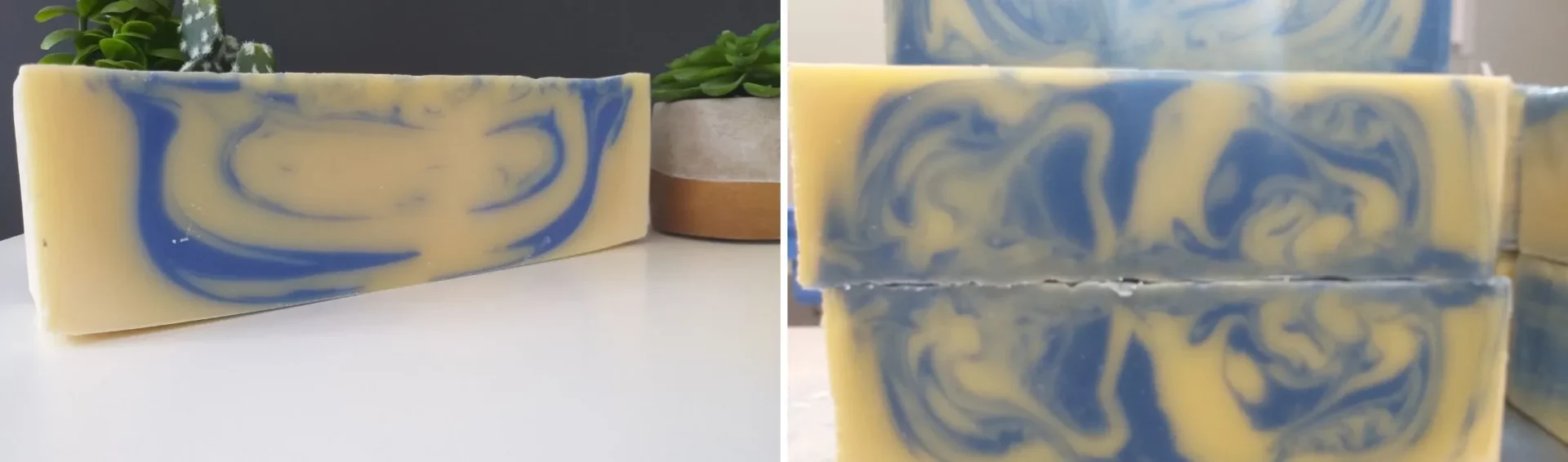
Over the centuries, soapmaking has undergone various technical changes. Among them, cold saponification emerged as a preferred method for artisans concerned with preserving the benefits of natural oils. Unlike industrial manufacturing processes that use heat to accelerate the chemical reaction. Cold saponification is a soft and artisanal process. Mixing oils and alkaline bases at low temperature. This method preserves the moisturizing and nourishing properties of the ingredients. While creating unique and delicate soaps for the skin.
In a world where the trend towards natural and biological development is growing. Cold saponification has a remarkable return to grace. Consumers are looking for products that are more environmentally and skin friendly. And this method perfectly meets their expectations by offering artisanal soaps, rich in natural glycerin and benefits to the skin.
Conclusion: the living heritage of soap factory
Thus, from its modest origins in ancient civilizations to its central role in our contemporary beauty rituals. Soapwork embodies a legacy rich in traditions and innovations. Through the ages, it has evolved and adapted. While preserving its basic essence: that of providing cleansing and a beneficial skin care. Today, in a world in search of naturality and authenticity. Soapmaking continues to captivate the senses and nourish the soul, thus recalling the timeless beauty of its historical roots.