
 French manufacture 💧 Ethical & Authentic Care ✨ Natural care for all skins 💚 Wellness boxes made on the farm with love 🎁 Gift boxes 🌿 Natural routins
Atopic skin, often called eczema, is a common but often misunderstood skin condition. In this article, we will explore the basics of atopic skin, its symptoms, as well as natural tips and solutions to relieve and care for this type of sensitive skin. Before going further, discover the overgras soaps that will help you with your atopic skin.
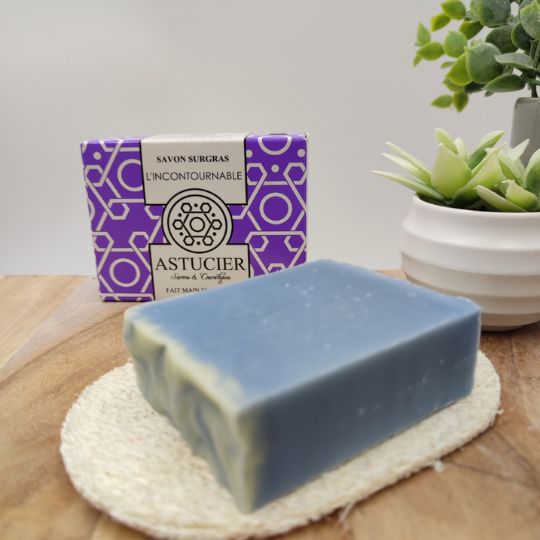
Cold saponified soaps to soothe.
Cold soap can help with atopic skin for several reasons:
- Nutrient preservation: The cold manufacturing process preserves natural ingredients such as vegetable oils and butters. They thus retain their beneficial properties for the skin. These ingredients can provide additional hydration and nutrition to atopic skin, helping to restore its natural protective barrier.
- Less irritant: Cold soaps do not contain synthetic ingredients and aggressive foaming agents. This reduces the risk of irritation for sensitive skin subject to eczema.
- balanced pH: Cold soaps often have pH close to human skin, which helps maintain the balance of skin pH. A balanced pH promotes a healthy skin barrier and reduces the risk of irritation and inflammation, which is particularly beneficial for people with atopic skin.
- No overheating: Unlike traditional soap manufacturing methods that require heating ingredients. The cold manufacturing process keeps the ingredients at lower temperatures. Preserving their properties and avoiding the formation of potentially irritating compounds.
The perfect soap in case of crises.
Two soaps are particularly suitable when you have an atopic eczema attack.
My capris, a chevre's milk soap.
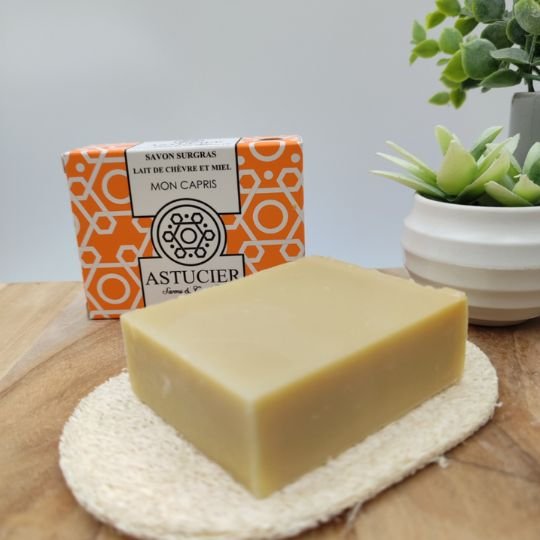
Goat milk is naturally rich in vitamins and minerals such as vitamin A, which promotes cell regeneration, as well as vitamin E, an antioxidant essential for skin health. These nutrients help strengthen the skin barrier and protect the skin from external aggression.
Unlike some commercial soaps that contain chemicals, Mon Capris goat milk soap is formulated with natural and soft skin ingredients. It thoroughly cleanses without drying or irritating sensitive skin.
The honey camline.
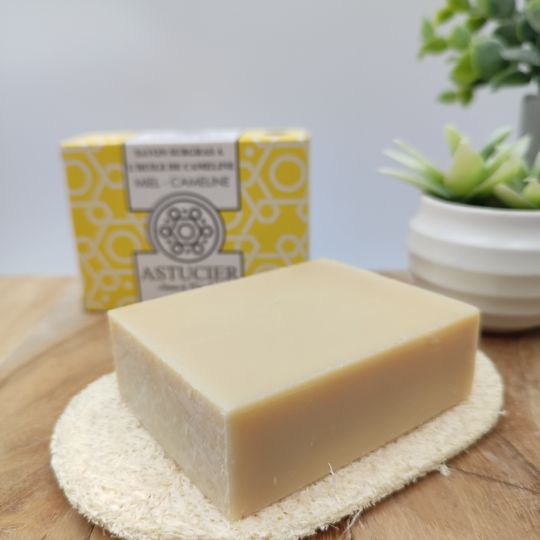
Honey and camel oil soap is particularly suitable for atopic skin because of its soothing and nourishing properties.
- Honey : Honey is known for its antibacterial, antiseptic and anti-inflammatory properties. It helps to ease skin irritation and reduce redness associated with atopic skin. In addition, honey is a natural humidant, which means that it attracts and retains moisture, helping to maintain hydrated skin.
- Camelin oil : Camline oil is rich in essential fatty acids, including omega-3, omega-6 and linoleic acid. These fatty acids help restore the skin barrier. Camline oil is light and easily penetrates the skin without obstructing pores, making it an ideal choice for sensitive skin.
Once inflammation has decreased, all the other soaps in our range are excellent to maintain a balanced and healthy skin. Their delicate and natural formulation offers a gentle cleaning while preserving hydration, ideal for everyday use.
What is atopic skin?
Atopic skin, also known as atopic dermatitis, is a chronic skin condition characterized by extreme dryness, intense itching and inflammation of the skin. This often affects people with a family history of allergy or asthma. Symptoms of atopic skin may vary in intensity, ranging from mild to severe, and may be triggered or aggravated by such factors as stress, allergens, temperature changes and irritant chemicals.
The main features of atopic skin include dry areas of skin, redness, squamous skin, crusts, cracks and an increased tendency to skin infections. Intense itching is one of the most problematic symptoms, as it can disrupt the sleep and quality of life of people affected.
Although there is no definitive cure for atopic dermatitis, there are ways to manage symptoms and reduce outbreaks. This may include the use of moisturizing creams, topical corticosteroids to reduce inflammation, antihistamines to relieve itching and the avoidance of known triggers.
The treatment of atopic skin is often customized according to the severity of the symptoms and the specific needs of each individual. Good management of atopic skin usually involves the adoption of mild hygiene practices, the use of suitable products and regular consultation with a dermatologist to monitor the development of skin condition.
The symptoms to know.
Atopic skins often have distinctive symptoms that may vary in intensity and frequency depending on individuals. It is essential to recognize these symptoms for proper management of this type of skin. The main symptoms associated with atopic skin include:
- Excessive dry skin: The skin tends to be extremely dry, rough and prone to tiring sensations.
- Redness: Areas affected by atopic eczema may show redness, often more pronounced after periods of irritation or exposure to allergens.
- Severe itching: Itching is one of the most common and disturbing symptoms associated with atopic skin. They can be so severe that they interfere with sleep and daily activities.
- Skin rashes: Skin rashes, characterized by red plaques, vesicles or crusts, are common in areas affected by atopic eczema.
- Increased sensitivity: Atopic skin is often more sensitive to chemicals, perfumes, detergents and other irritants, which can trigger skin reactions.
- Skin thickening: In the long term, areas affected by eczema may show thickening of the skin due to repeated friction and attempts to relieve itching.
- Burning sensations: Some people may feel burning. Especially when the skin is exposed to irritants or extreme temperatures.
It is crucial to consult a health care professional at the onset of symptoms, as early treatment can help relieve discomfort and prevent severe outbreaks. In addition, a dermatologist can recommend management strategies and products tailored to your skin type.
Tips for taking care of atopic skin.
Taking care of atopic skin requires a delicate and regular approach to maintain balance and reduce the symptoms of irritation and dryness. Here are some tips to help you take care of your atopic skin:
- Regular hydration Apply a cream or soft moisturizing balm several times a day. Especially after the bath or shower, to hold moisture in the skin.
- Choice of suitable products : Use skin care products specially formulated for atopic skin. They are ideal, without perfume or other irritants.
- Short and warm baths Limit the time spent in the water. And use warm rather than hot water to avoid drying the skin further.
- Avoid irritants Avoid care products containing synthetic fragrances, dyes or other chemicals. These may worsen the symptoms of atopic skin.
- Wear soft clothes : Choose cotton clothes. And avoid the rough or irritating tissue that could irritate your skin more.
- Keep the skin fresh Avoid hot and humid environments that can worsen the symptoms of atopic skin. Use a humidifier in your home if the air is dry.
- Stress management : Stress can worsen symptoms. Practice stress management techniques such as meditation, yoga or deep breathing. This helps maintain a calm and relaxed state of mind.
- Consult a dermatologist : If your symptoms persist despite good skin care. Consult a dermatologist for advice and treatment tailored to your specific condition.
By regularly taking care of your skin and avoiding potential triggers, you can help reduce symptoms and improve your overall skin health.
Natural solutions to relieve eczema
Eczema is a common skin condition that can cause discomfort and frustration. Here are some natural solutions that can help relieve the symptoms of eczema:
1 – Natural oils for atopic skin:
- Coconut oil, wheat germ oil and shea butter are known for their moisturizing and soothing properties. Apply them to affected areas to help reduce dryness and skin irritation.
2 – Oats:
- Oats can be very beneficial to soothe eczema. Add colloidal oatmeal to the bath water. And soak for 15 to 20 minutes to calm itching and rehydrate the skin.
3 – Gel of aloe vera:
- The aloe vera gel known for its soothing and anti-inflammatory properties. Apply it regularly to affected areas to help reduce redness and itching.
4 – Apple Cider Vinegar:
- Dilute apple cider vinegar into water and apply it to the affected skin using cotton. Apple cider vinegar can help restore skin pH and relieve itching.
5 – Balanced Food:
- Some people find relief by adjusting their diet. Try to identify foods that trigger or worsen your symptoms of eczema and try to avoid them.
6 – Hydration:
- Make sure you drink enough water to maintain good hydration of the skin from the inside. This can help reduce drought and irritation.
It is important to note that each person reacts differently to natural treatments
The importance of natural ingredients for atopic skin
Natural ingredients play a crucial role in atopic skin care products. This product category aims to soothe, moisturize and protect particularly sensitive skin. Here are some reasons that illustrate the importance of natural ingredients in these products:
- Less risk of irritation : Atopic skin often reacts negatively to aggressive chemicals and synthetic fragrances. Natural ingredients, such as vegetable oils, plant extracts and natural butters, are generally less irritating. They are better tolerated by this type of sensitive skin.
- Soothing and anti-inflammatory properties : Many natural ingredients have soothing and anti-inflammatory properties. This helps to calm redness, itching and discomfort. For example, aloe vera, chamomile and sweet almond oil have soothing effects on the skin.
- Deep hydration : Atopic skin often tends to be dry and dehydrated. Natural ingredients, such as avocado oil and shea butter, have a great ability to moisturize in depth. It helps restore the skin barrier, essential to keep the skin healthy.
- Lack of aggressive products : Natural products avoid the use of aggressive products such as sulphates, parabens and silicones. The latter can more irritate the atopic skin and compromise its long-term health.
Conclusion the atopic skin, get wet!
Atopic skin can present challenges. Appropriate care routines and wise product choices can help soothe and improve skin health. By understanding the specific needs of atopic skin and adopting a holistic approach, it is possible to live comfortably with this skin condition.